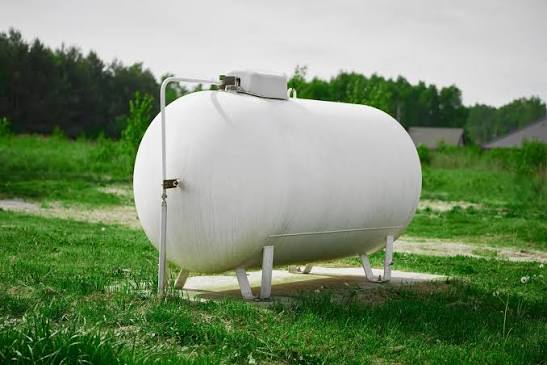
- Over 50,000 households and tens of thousands of businesses rely on LPG for heating, hot water and cooking, many of them located in rural areas beyond the natural gas grid.
- Higher carbon tax on a lower carbon fuel: LPG emits around 11% less CO₂ than heating oil, yet LPG users face a higher carbon tax rate under the Budget 2027 measures, penalising those who have already switched to a lower carbon alternative.
- Rural hotels, restaurants, farms, tourism operators and food businesses could face higher operating costs than competitors connected to the natural gas network.
Thousands of households and businesses across Ireland are facing higher energy costs and an increased risk of fuel poverty as a result of Budget 2027, after liquefied petroleum gas (LPG), commonly known as liquid gas, was excluded from the reduced carbon tax rate announced for heating fuels.
Under Budget 2027, the carbon tax rate applying to kerosene and natural gas has been reduced to €48.50 per tonne of CO₂ until 2030, while liquid gas remains on the existing trajectory, rising from €63.50 per tonne today to €100 per tonne by 2030.
The warning comes from Liquid Gas Ireland (LGI), whose members include Calor and Flogas, and which estimates that approximately 50,000 households and tens of thousands of businesses rely on liquid gas, particularly in areas beyond the natural gas grid where alternative energy options are often limited.
LGI says the measure will place an additional financial burden on off gas grid households and businesses at a time when many are already facing significant energy cost pressure. The industry body has warned that the decision could exacerbate fuel poverty among consumers who have limited practical alternatives available to them and are unable to make the substantial upfront investment required to switch heating systems.
According to SEAI emissions factors, liquid gas produces around 11% less CO₂ than heating oil yet will be subject to a significantly higher carbon tax rate under the current measures. LGI argues that this creates an unintended anomaly whereby users of a lower carbon and cleaner fuel face a higher tax burden than those using more carbon-intensive alternatives.
The proposed Budget 2027 carbon tax measures will create uncertainty about how carbon taxes apply to different fuel sources, discourage people from switching to cleaner fuels like LPG, and unfairly penalise rural households and businesses that are not connected to the gas grid.
LGI acknowledges and welcomes the broader measures introduced in Budget 2027 to support households and businesses with rising costs. However, it is important that these supports are applied fairly and that the needs of rural and off gas grid energy users are not overlooked.
While electrification remains a long term policy objective, the cost of retrofitting homes and installing heat pumps remains prohibitive for many households. LGI argues that liquid gas continues to play an important role as a lower-carbon, immediately available energy source for homes and businesses that cannot yet transition to renewable heating technologies.
The omission will also impact businesses that rely on liquid gas for space heating, hot water, cooking and industrial process heat, including hotels, restaurants, food producers, farms and tourism operators. Industry representatives say this risks increasing operating costs for off gas grid businesses compared with competitors connected to the natural gas network.
Sytze Nijman, CEO of Calor Ireland, said:
“Omitting liquid gas, or LPG, from the reduced carbon tax rate announced in Budget 2027 creates a clear affordability and fairness issue for thousands of households and businesses that live and operate beyond the natural gas network and depend on LPG for heating, hot water and cooking. Many of these customers have already transitioned to a lower carbon and cleaner fuel and have limited practical alternatives available to them. We are calling on the Government to amend this oversight by including LPG in carbon tax measures, supporting emissions reduction while ensuring that the transition remains affordable and equitable for all energy users.”
Kevin Donnelly, Managing Director of Flogas Ireland, said:
“For many homes and businesses, liquid gas is not a choice but an essential energy source. The current approach risks increasing costs for consumers who cannot readily switch to another heating fuel while providing relief to users of more carbon-intensive alternatives. It is particularly unfair to households and businesses that have already taken steps to reduce their carbon emissions by switching from heating oil to lower-carbon LPG, only to now face a higher carbon tax burden as a result. We urgently call for an amendment to the Finance Bill to ensure a fair outcome for customers across Ireland.”
In the interests of fairness, LGI is calling on the Government to urgently amend the Finance Bill to include LPG within the same reduced carbon tax framework as kerosene and natural gas, arguing that this would deliver a fairer and more practical transition for households and businesses reliant on off gasgrid energy.